Flower Rainbow: A Cheerful, Practical Embroidery Design Worth Your Time
First Impressions: Bright, Balanced, and Built for Joy
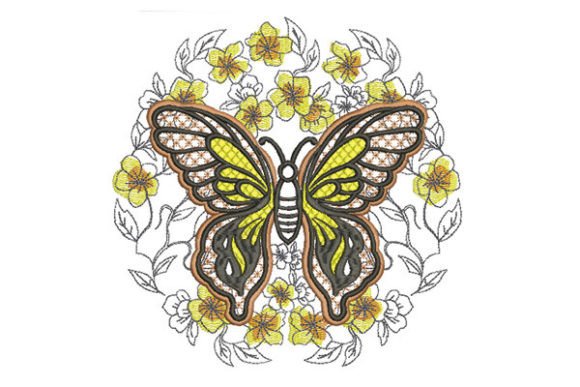
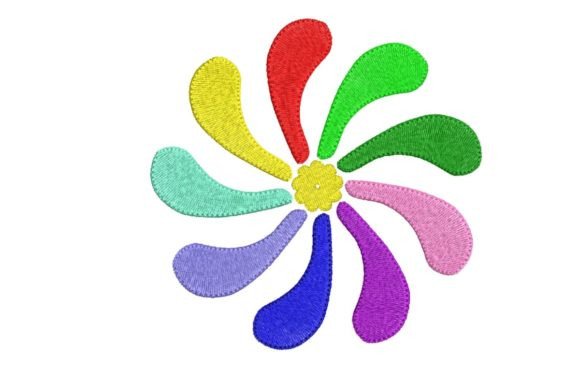
When I opened Flower Rainbow for the first time, I didn’t see just another floral motif—I saw a ready-to-stitch mood lifter. It’s not overly intricate, but it’s far from generic. The composition flows with gentle asymmetry: blossoms arch across a soft arc, each petal distinct but cohesive, colors implied through smart stitch placement rather than forced realism. There’s breathing room between elements—no visual crowding—and the scale feels intentional, neither too dainty nor too dominant. As a designer who regularly selects embroidery files for client work and my own craft business, I immediately thought: *This belongs on a summer baby onesie, a linen tea towel, or the front pocket of a handmade tote.* It doesn’t shout—it smiles.
Real-World Use: How It Landed on My Latest Project
Last week, I used Flower Rainbow to embroider a set of organic cotton kitchen towels for a local boutique launch. No applique, no extra layers—just the core design stitched cleanly in soft pastel threads. The result? Instant warmth. Customers paused at the display—not because it was flashy, but because it felt *handmade* in the best way: thoughtful, cheerful, and quietly confident. That’s the power of this machine embroidery design: it elevates simple items without overwhelming them. I’ve also tested it on lightweight sweatshirts (with tear-away stabilizer) and cotton-blend baby bodysuits (using cutaway + topping), and in both cases, the stitch clarity held up beautifully—even after gentle machine washing.
Where It Shines—and Where It Needs Thought
Flower Rainbow excels in contexts where approachability matters: children’s clothing, nursery decor, personalized gifts, and small shop merchandise. It reads well at 3.5"–4.5" wide—ideal for tote bag designs, pillow covers, and embroidered patches meant for backpacks or denim jackets. As an Etsy seller, I appreciate how easily it translates into printable mockups: the shape photographs cleanly against light and dark backgrounds, and its balanced proportions make product listings feel polished, not cluttered.
That said, it’s not a one-size-fits-all solution. On highly textured fabrics like heavy terry cloth or bouclé knits, some of the finer petal outlines can soften—so I recommend testing on scrap first and possibly adjusting stitch density if your machine allows. On stretchy fabric (think ribbed baby caps or lightweight jersey tees), use a light cutaway stabilizer and avoid hooping too tightly. And while the design avoids tiny lettering or ultra-thin satin stitch lines, the center cluster of flowers does pack moderate fill stitch density—so skip it on ultra-thin silk or delicate lace unless you’re willing to reduce density manually.
What It Does for Your Brand—and Your Buyers
Let’s be real: customers don’t buy stitches—they buy feeling. Flower Rainbow delivers that instantly. When stitched on a custom apparel piece, it signals care, playfulness, and intentionality—traits that build trust with handmade buyers. For craft fairs or boutique consignment, it helps your small shop product stand out not through novelty, but through warmth and cohesion. I’ve noticed repeat buyers specifically request “that rainbow flower” for baby shower gifts, which tells me it’s becoming a quiet signature—not because it’s trendy, but because it feels genuine.
It also supports brand consistency. Whether you’re selling digital embroidery files or finished products, Flower Rainbow fits neatly into a seasonal collection (spring/summer) or a “gentle joy” aesthetic—without locking you into a single niche. It works as a standalone motif or pairs naturally with simple monograms, tiny bees, or leafy vines. That flexibility is gold for creative entrepreneurs juggling multiple product lines.
Designer Notes You’ll Actually Use
- Always test first: Run Flower Rainbow on scrap fabric matching your final project’s weight and weave—even if it’s “just cotton.” Thread tension shifts fast.
- Check contrast early: Try stitching it in black thread on white fabric and white thread on navy. Some fill areas read differently depending on background tone.
- Stabilizer isn’t optional: For woven fabrics, medium-weight cutaway works best. For knits or lightweight weaves, add a light water-soluble topping to keep petals crisp.
- Hoop size matters: This design fits comfortably in a 5x7 hoop—but double-check the file dimensions before hooping. If you’re planning to resize, confirm stitch integrity holds at your target scale.
- Licensing check: Since this is listed under Freebies, verify whether commercial use is permitted before selling finished embroidered items or bundling it into digital embroidery bundles.
- Mockup wisely: Use grayscale previews to assess balance and silhouette. If it reads clearly in black and white, it’ll translate reliably across thread colors and fabric types.
Final Thought: Not Just Another Freebie—A Reliable Design Asset
As someone who curates embroidery files daily—whether for client branding, holiday collections, or my own craft business—I treat free downloads with healthy skepticism. But Flower Rainbow earned its place in my active folder. It’s not flashy, but it’s dependable. It doesn’t demand special handling, yet it rewards attention to detail. It’s cheerful without being cloying, detailed without being fussy, and versatile without feeling generic. Whether you’re stitching a one-off personalized gift or scaling production for your Etsy shop, this machine embroidery design delivers consistent charm—and that’s rare in any category, especially Freebies.
If you’re evaluating it for your next embroidery project, ask yourself: *Does this support the feeling I want my customer to take home?* With Flower Rainbow, the answer—nine times out of ten—is yes.