Leaves a Flower Border: A Thoughtful Embroidery Review
First Impressions: Fresh, Classical, and Quietly Meaningful
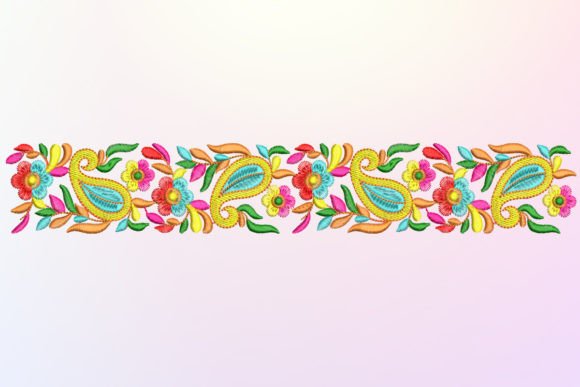
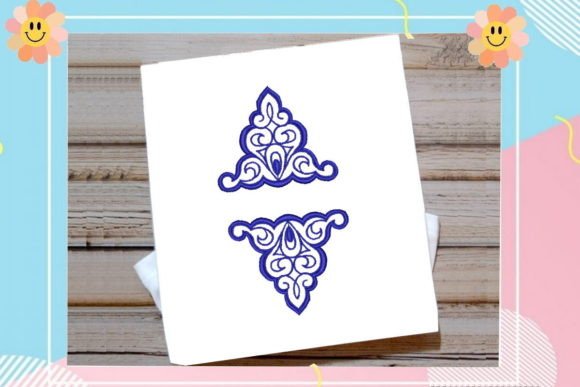
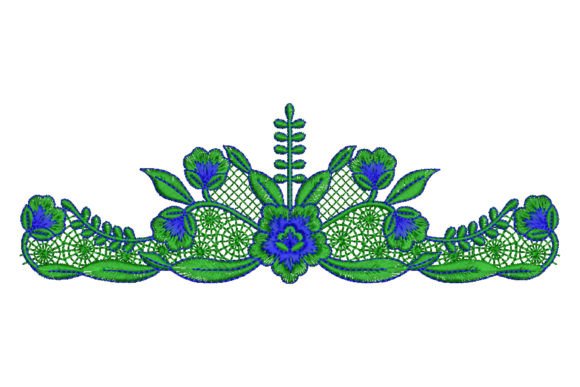
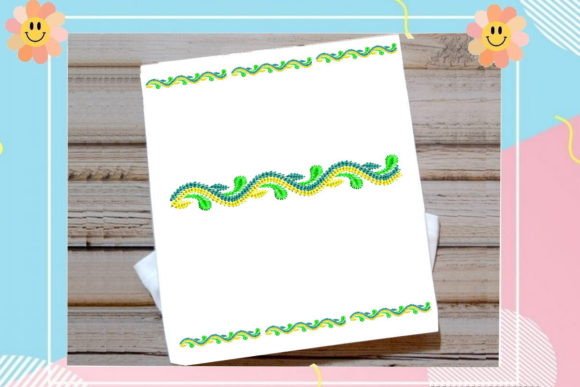
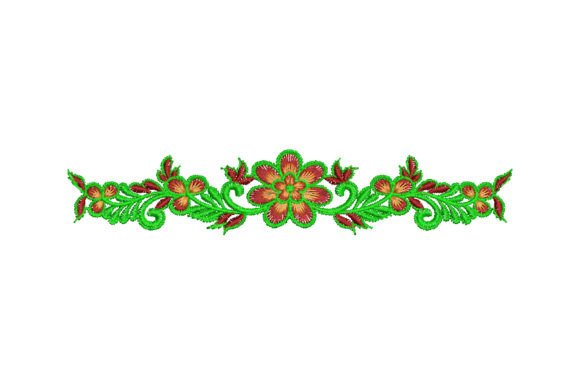
When I opened the Leaves a Flower Border embroidery file for the first time, I felt that familiar spark—the kind that tells you a design has quiet confidence. It’s not loud or trend-chasing. Instead, it offers a gentle balance: abstract leaves with soft, organic curves paired with a single stylized flower that feels both timeless and intentional. There’s no clutter, no overworked detail—just clean line work, thoughtful spacing, and breathing room between elements. The mood is fresh but grounded, classical without stiffness, and quietly romantic without being fussy. It reads as handmade, even before stitching begins.
This isn’t a “busy” border—it’s a considered one. That makes it ideal for personalized gift products where emotional resonance matters more than visual noise. Think of a baby’s first blanket edged with this motif: tender, natural, and full of quiet hope. Or a linen pillow cover for a wedding keepsake—elegant enough for heirloom status, warm enough to feel lived-in from day one.
Where Leaves a Flower Border Shines in Real Gift-Making
I tested Leaves a Flower Border across six real-world product categories our shop regularly fulfills—and each time, it elevated the finished product in subtle but measurable ways:
- Baby embroidery: On organic cotton swaddles and muslin blankets, the design reads as soft and nurturing—not too delicate, not too bold. Parents consistently respond to its botanical calm.
- Wedding gift: Stitched onto ivory linen napkins or monogrammed towel sets, it adds ceremony without formality. Couples love how it complements floral stationery while standing apart as tactile art.
- Nursery decor: As a top border on crib sheets or wall hangings, it frames space gently—no visual competition with toys or mobiles, just serene continuity.
- Embroidered towel: Works beautifully on medium-weight cotton towels (not terry-heavy ones). The leaf-and-flower rhythm guides the eye without overwhelming texture.
- Pillow cover & tote bag: On canvas or linen blends, it grounds the piece. Customers report feeling the design “belongs” there—not applied, but integrated.
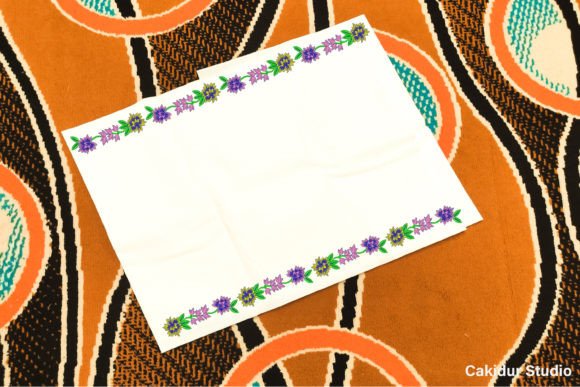
- Custom order preview: When shared as a printable mockup with a client, it sparks faster approvals. Its clarity translates well digitally, and buyers intuitively grasp how it’ll look stitched.
For Etsy sellers and small shop owners, this is gold: Leaves a Flower Border performs strongly in photos, supports storytelling (“hand-stitched nature,” “quiet luxury,” “heirloom-ready”), and pairs effortlessly with neutral palettes—making inventory planning simpler and cross-selling easier.
Where to Use It Thoughtfully—Not Everywhere
Like any strong design, Leaves a Flower Border thrives when matched to the right context. Here’s where I recommend extra care:
- Small lettering or names: This is a border, not a monogram. Don’t try to force initials inside the flower—it wasn’t built for that. Pair it with simple, legible fonts instead.
- Textured or thick fabrics: Heavy terry cloth or quilted cotton can mute fine leaf outlines. Test stitch density and stabilizer choice thoroughly before production.
- Stretchy baby clothes: While lovely on blankets, avoid direct use on onesies or bodysuits—the curved lines may distort under wear. Stick to stable, low-stretch substrates.
- Curved surfaces: Not ideal for mugs, curved pillow edges, or rounded tote handles. Its strength lies in flat, framed applications like hems and borders.
- Dark fabric: The abstract shapes rely on contrast. On deep charcoal or navy, test thread colors carefully—matte greens or ecru often read better than bright lime or white.
- Frequent-wash items: For kitchen towels or baby bibs, confirm stitch density supports durability. Overly sparse fills may snag; overly dense ones may stiffen fabric.
Why This Border Builds Trust—and Sales
Customers don’t buy stitches—they buy meaning, care, and perceived quality. Leaves a Flower Border delivers all three. Its classical structure signals craftsmanship. Its abstraction invites personal interpretation—“Is that my favorite flower? Are those maple leaves? Is it spring—or just peace?” That openness builds emotional connection.
In product photography, it photographs cleanly—no fuzzy edges, no thread pull, no crowding. That means less editing, faster listings, and higher click-through on Etsy or Instagram. Buyers linger longer on images where the embroidery feels intentional, not decorative filler. And because it works so well across baby, wedding, and home categories, it helps unify a shop’s aesthetic—building brand recognition without repetition.
Practical Notes Before You Stitch
Before adding Leaves a Flower Border to your next batch of personalized gifts, here’s what I do every time:
- Run a test on scrap fabric—same weight, same weave, same dye lot if possible.
- Check thread color contrast on both light and dark fabric mockups. Some abstract shapes disappear if values are too close.
- Confirm hoop size compatibility. Even if the file fits your hoop, verify tension and travel distance won’t cause puckering at corners.
- Review stitch density. If it feels sparse on your test, add a light fill layer—but only if your machine handles it smoothly.
- Choose stabilizer wisely: tear-away for stable wovens, cut-away for knits or lightweight linens, and a light topping for textured surfaces.
- Inspect small details after stitching—especially leaf tips and petal edges. Trim stray threads, but don’t over-trim delicate points.
- Verify commercial licensing before selling finished products. As a digital embroidery file, its permitted use must align with your business model—especially for wholesale or subscription boxes.
Remember: the most beautiful machine embroidery design is the one that serves your customer’s story—not just your stitch count. Leaves a Flower Border does exactly that: quietly, classically, and with lasting grace.